Covenant Eyes is one of the best-known tools for quitting porn. On iPhone its app is now called Victory by Covenant Eyes, but the model is the same one the company built its name on: the app monitors your device activity and sends reports and screenshots to another person, your "ally". Knowing someone will see what you did is the deterrent.
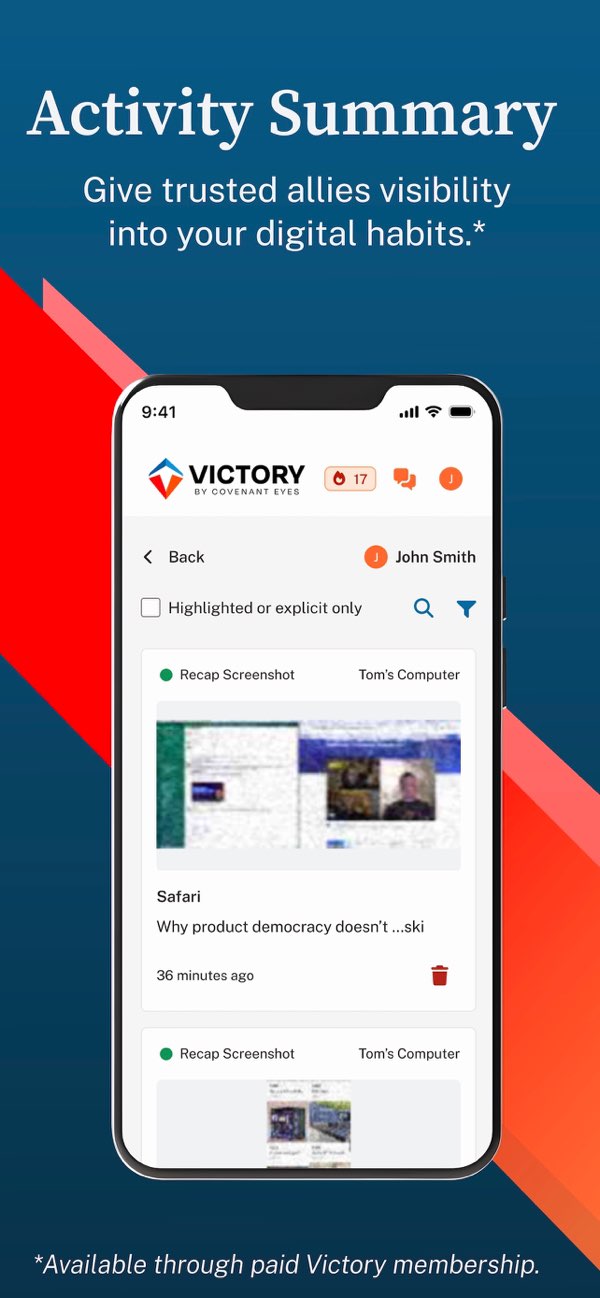
That model genuinely works for some people. But it has one requirement a lot of people cannot or will not meet: another human being who sees your activity.
Why the accountability model doesn't fit everyone
- You may not have anyone to ask. The model assumes a close friend, spouse, or mentor you trust with the most private part of your life. Many people quitting porn are doing it precisely because they want to handle it alone.
- You may not want anyone to know. Wanting privacy while you quit is a legitimate preference, and for many people the thought of a weekly report going to a friend is a dealbreaker that stops them from setting up anything at all.
- The deterrent is social, so it depends on the relationship. If your ally stops checking reports, or you know they skim them, the deterrent fades while the subscription keeps billing.
- It costs a monthly subscription. Covenant Eyes is $17.99 per month for an individual plan at the time of writing ($19.99 for a household). That adds up over the year or more that quitting usually takes.
- Monitoring arrives after the fact. The reports reach your ally later; in the moment itself, the deterrent is only the memory that a report is coming. At 1am, later can feel far away.
- On iPhone, it depends on Screen Time anyway. iOS limits what third-party apps can see and block, so Covenant Eyes' filtering there is browser-focused, and its own protection against being removed relies on Apple's Screen Time restrictions. The layer doing the heavy lifting on iOS is the one built into your phone.
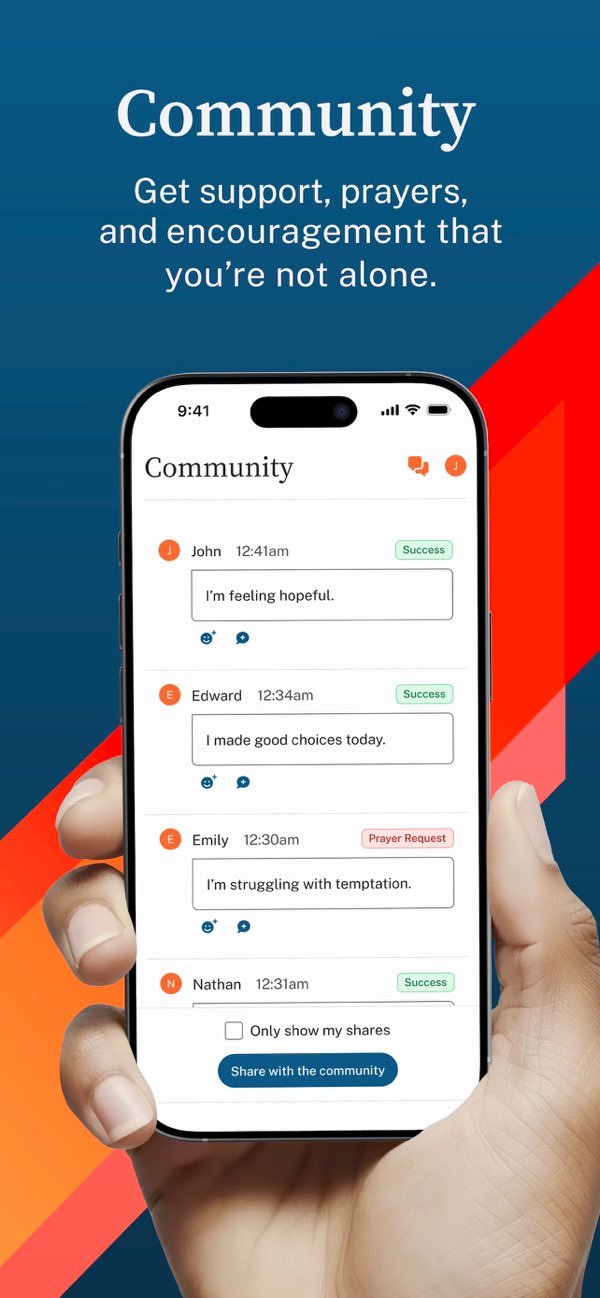
One more fit question: the product is community and faith oriented, with group support and prayer requests built in. That is a plus if it matches you and one more mismatch if it does not.
The alternative: block first, and lock the block
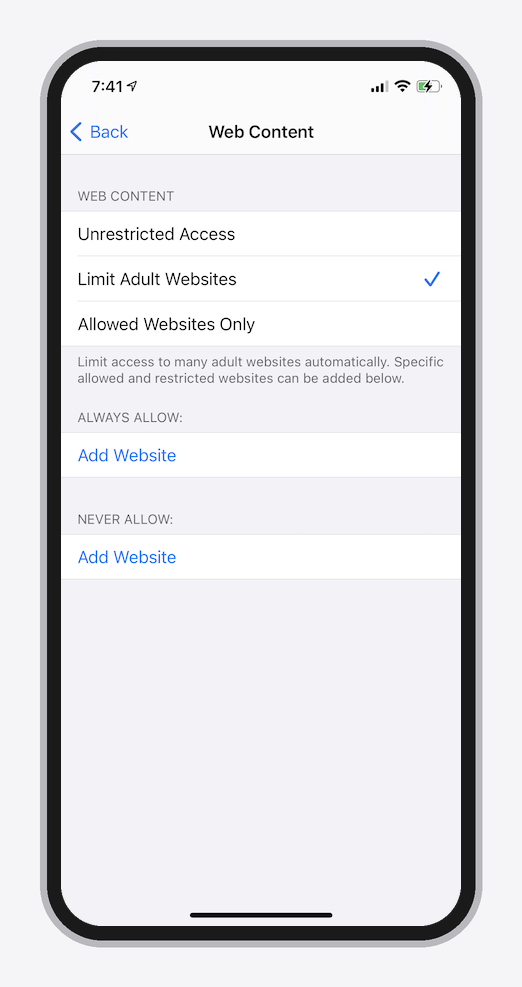
Your iPhone already contains a strong porn blocker: Screen Time's web content restrictions apply across browsers, and you can also limit apps, restrict new app installs, and schedule downtime. It is free and built in. The usual problem is that you know the Screen Time passcode, so you can switch the whole thing off in the moment you most want to.
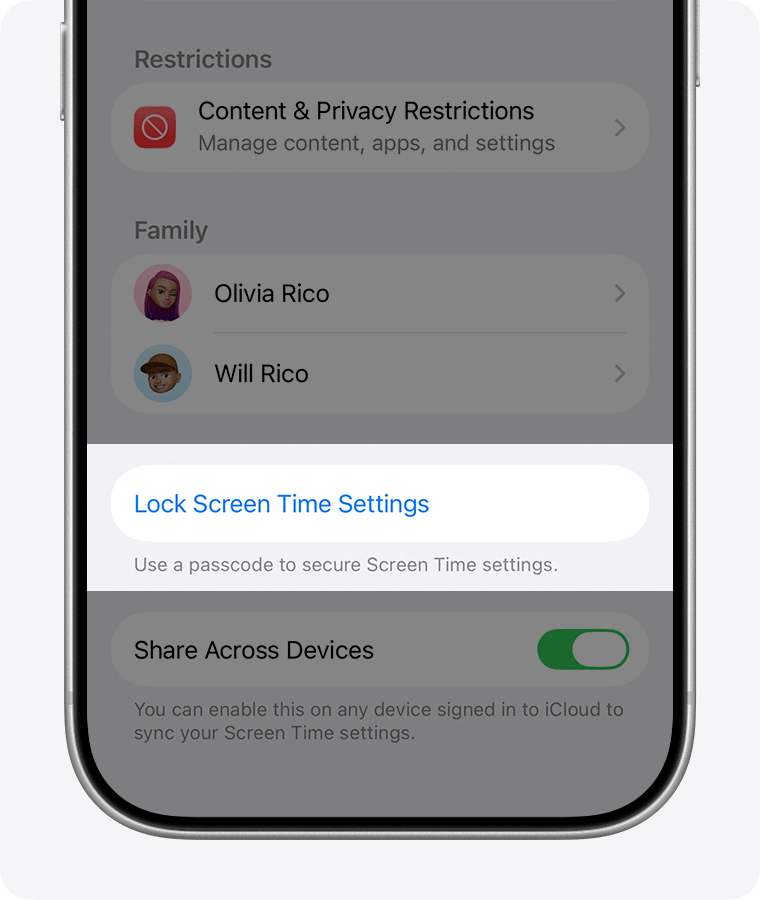
The fix is to set a Screen Time passcode you do not know. WaitToUnlock generates a random passcode and guides you through entering it on your phone without memorizing it, using a sequence that mixes in decoy digits. The passcode is stored encrypted, and if you ever genuinely need it back, you request a reveal and wait out a countdown you chose in advance.
That changes the shape of the deterrent. With accountability software, breaking the block is possible and someone finds out. With a locked passcode, breaking the block on impulse is off the table, and nobody else is involved at all.
How they compare
- Privacy: Covenant Eyes requires a second person by design. WaitToUnlock involves nobody else; it never sees your browsing at all, only the passcode it stores encrypted.
- What stops you: Covenant Eyes relies on anticipated embarrassment. A locked Screen Time passcode relies on the block simply staying on, because removing it takes hours instead of seconds.
- Coverage: Covenant Eyes monitors activity within what iOS allows apps to see. Screen Time restrictions are enforced by the operating system itself, which is a deeper level than any third-party app can reach.
- Cost: a recurring subscription versus Screen Time for free, with WaitToUnlock as a one-time purchase for the passcode lock.
They also combine
This is a comparison, and we obviously sit on one side of it, but the two models solve different failure points and some people use both: accountability for the human support, a locked passcode so the technical block cannot be switched off. If you already have an ally you trust and the reports keep you honest, keeping Covenant Eyes is reasonable. The locked passcode matters most if you have ever disabled your own filter during an urge, because that is the failure mode monitoring does not prevent.
Setting it up
The full walkthrough is here: how to block porn on iPhone and lock yourself out of the passcode. In short: turn on Screen Time's adult content restrictions, close the common loopholes (app installs, alternative browsers), set a passcode you do not know with WaitToUnlock, and close the Forgot Passcode recovery loophole with a burner recovery account.
No ally required, no reports, no subscription. Just a block you cannot undo in the moment.